
103
hunting trips
$2,375
starting from
44
outfitters
Where to hunt Red Lechwe
Lechwe, is a name derived from a Bantu language which means antelope. The Common Lechwe group is made up of three subspecies – Red Lechwe, Kafue Lechwe and Black Lechwe. This page is dedicated to the Red Lechwe, a native of Eastern Namibia, Botswana, Zimbabwe and Zambia. Although a common species found in the Okavango Delta of Botswana, they may no longer be hunted in this country. In their natural habitat they are always found in wetland areas where they feed on aquatic plants. In South Africa they have been introduced and found in a wide variety of high fenced territories where they seem to thrive without their natural marshy habitat.
Price distribution
In the wild, they can be hunted in Namibia on a 3-21 day safari. Daily rates for these Namibian Safaris range from $350-520 per day with a trophy fee between $2,000- 4,500. In South Africa a ranch hunt will cost you $350 – 450 per day with a trophy fee ranging from $1,675 – 4,500. Even though a wetland species these animals seem to do best in the drier regions of the country and can be found in the Eastern Cape, Northern Cape, Free State and even in the higher rainfall areas of Mpumalanga province.
$300
$14,638
$28,976
$43,314
$57,652
When to hunt Red Lechwe?
Lechwe may be hunted all year round In South Africa. In Namibia, hunting is closed in January and February. The best months for hunting Lechwe are the dry winter/autumn months (July-October), especially when water availability is limited as these animals tend to hang out near water, especially in marshy areas, swamps and along the river edges. On a cold winter’s morning you can find them hunkered down out of the wind.
Jan
Feb
Mar
Apr
May
Jun
Jul
Aug
Sep
Oct
Nov
Dec
Hunting methods
When hunted in open territories or large concessions like the Caprivi in Namibia, they can be quite difficult to spot and stalk as they inhabit open floodplains and wetlands, sometimes without not much cover. This makes it very difficult to approach Lechwe so you may be required to make a long shot. Hunting Lechwe on the game ranches in South Africa is normally much easier where there is more cover to use during your spot and stalk.
Bush TV
Check out an amazing footage from outfitters and landowners properties.

Red Lechwe in Caprivi
Little do people know, the Caprivi, along with select parts of Botswana and Namibia hosts some of Africa's largest population of Red Lechwe.
Why hunt Red Lechwe?
The Lechwe family in general make exceptional shoulder mounted trophies and they do not take up much space in your trophy room wall. This is one hunt where you will probably need to get your feet wet traipsing around in the water trying to get closer to take a shot. In most instances your marksmanship will be tested in an effort to collect a magnificent specimen.
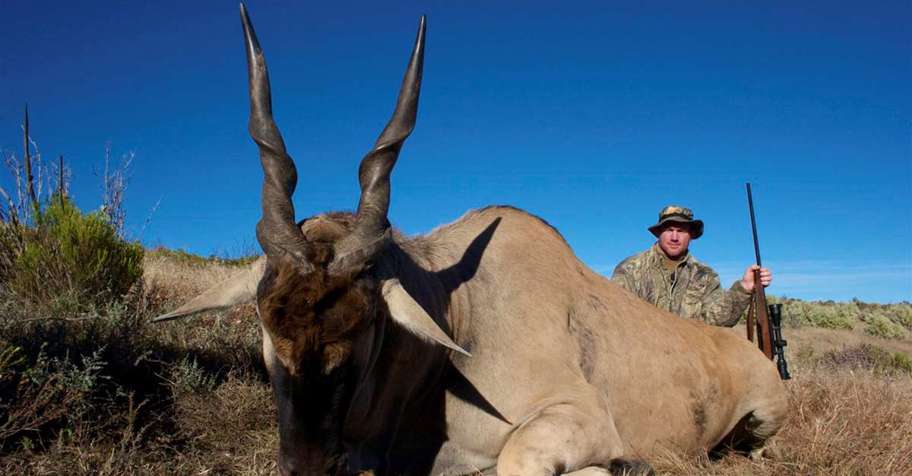
Eastern Cape Trophy Hunt 1x1
Eastern Cape, South Africa
Red lechwe, Baboon, Black springbok, Black wildebeest, Black-backed jackal, Blue duiker, Blue wildebeest, Burchells zebra, Bushpig, Cape bushbuck, Cape eland, Cape mountain zebra, Cape springbok, Caracal, Common blesbuck, Common duiker, Common reedbuck, Copper springbok, Fallow deer, Gemsbuck, Grey rhebuck, Grysbuck, Hartebeest, Impala, Klipspringer, Kudu, Mountain reedbuck, Nyala, Oribi, Sable, Steenbok, Warthog, Waterbuck, White blesbuck, White springbok
Rifle Hunting, Stalking
Season: Apr 1, 25 - Nov 30, 26
Daily rate fee
$2,590
for 5 days, 1 hunter
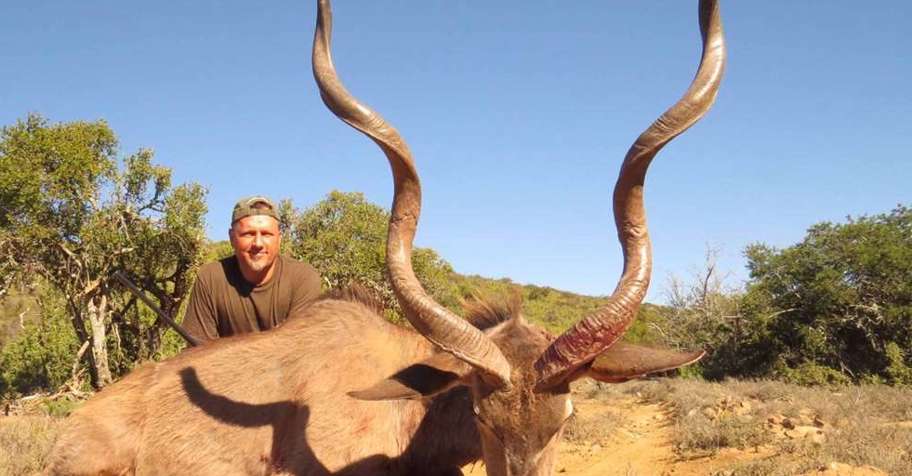
Eastern Cape Trophy Hunt 1x1
Eastern Cape, South Africa
Red lechwe, Baboon, Barbary sheep, Black impala, Black springbok, Black wildebeest, Black-backed jackal, Blue duiker, Blue wildebeest, Burchells zebra, Bushpig, Cape buffalo, Cape bushbuck, Cape eland, Cape mountain zebra, Common blesbuck, Common duiker, Common reedbuck, Common springbok, Copper springbok, Fallow deer, Four-horned ram, Gemsbuck, Giraffe, Grey rhebuck, Grysbuck, Hare, Impala, Klipspringer, Kudu, Lynx, Mountain reedbuck, Nyala, Oribi, Ostrich, Porcupine, Red hartebeest, Roan, Sable, Scimitar oryx, Springhare, Steenbok, Waterbuck, White blesbuck, White springbok
Bow Hunting, Rifle Hunting, Stalking
Season: Jan 1, 25 - Dec 31, 26
Daily rate fee
$900
for 3 days, 1 hunter
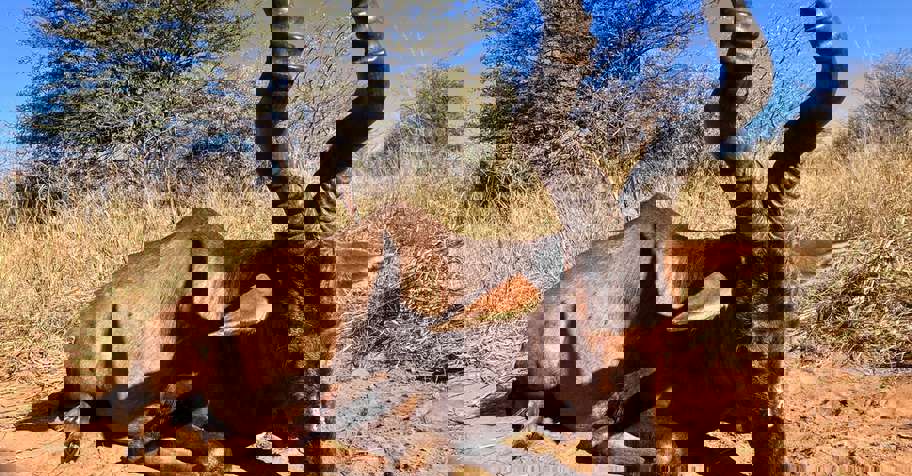
Hunt Namibia 2x1
Namibia
Red lechwe, Black impala, Black springbok, Black wildebeest, Black-faced impala, Blue wildebeest, Brown hyena, Burchells zebra, Cape eland, Caracal, Cheetah, Common blesbuck, Common duiker, Copper springbok, Gemsbuck, Giraffe, Golden gemsbuck, Golden wildebeest, Hartmanns zebra, Impala, Kalahari springbok, Kudu, Leopard, Nyala, Red hartebeest, Roan, Sable, Steenbok, Tsessebe, Warthog, Waterbuck, White blesbuck, White springbok, White-flanked impala
Bow Hunting, Crossbow Hunting, High Seat, Horseback Hunting, Rifle Hunting, Stalking
Season: Feb 1, 26 - Nov 30, 26
Daily rate fee
$2,347
for 7 days, 1 hunter
Red Lechwe
Interested in this animal?
Create a subscription to get offers right to your inbox
You might also like
Explore hunting
trips worldwide
trips worldwide
Direct offers from outfitters
with no booking fees
with no booking fees
Verified reviews
from other hunters
from other hunters