
37
hunting trips
$5,530
ab
7
Jagdanbieter
Wo kann man Moschusböckchen jagen?
Suni are one of the smallest antelopes, and are prominent members of the “Tiny Ten” group. There are two subspecies: the East African suni, which occurs in Kenya, Tanzania and north of the Zambezi River in Mozambique, and the Livingstone’s suni, which can be hunted south of the Zambezi River in Mozambique, Eastern Zimbabwe and the Zululand region of KwaZulu-Natal Province of South Africa. If suni is your targeted species, the best place to hunt them in the Sand Forests of Eastern Mozambique.
Preisverteilung
In Tanzania, an East African suni may be hunted on a 16 or 21 day license. Daily rates for these safaris range from $1,650 – 1,950 per day with a trophy fee of approximately $500. In Mozambique you will be required to book a minimum of a 6-10 day hunt, with a daily rate of $600-$700, and pay a trophy fee of $995-1,600. If you hunt suni in Zululand, KwaZulu-Natal in South Africa, the trophy fees there range from $2,000-3,000 and daily rates between $350-450 per day.
$1,100
$45,825
$90,550
$135,275
$180,000
Suni Hunting in Southern and Eastern Africa
A member of the “Tiny 10”, this small antelope stands 12-17 inches high at the shoulder and weighs 10-12 pounds (4.5-5kgs). A dainty little specialty animal normally only hunted by the true collectors who are probably African hunting veterans by the time they decide to shoot one.
24. Mai 2020
Suni Hunting in Southern and Eastern Africa
When to hunt Suni?
Suni may be hunted year round In South Africa and Zimbabwe. In Mozambique the season is open from April 1 to November 30. In Tanzania the season is from July to December. Suni inhabit dry riverine bush and Sand Forests, so the best time for hunting are the dry months of June to October, when the trees have lost some of their leaves and the foliage is not so dense. This not only improves visibility, but lessens the chances of your bullet deflecting after taking a shot.
Jan.
Feb.
März
April
Mai
Juni
Jul.
August
Sept.
Okt.
Nov.
Dez.
Jagdart
Being a shy nocturnal animal, the suni spends most of its day hidden in the dense undergrowth. The preferred hunting method is walk and stalk, preferably on a well-used foot path or track. When walking in the forest, the dead leaves on the forest floor sound like you are walking on potato chips, which will alert your prey, so try to stay on a path. Look out for the orangey colour of the sunlight shining through its ear, or a flickering tail, which often give them away. There are two alternatives to the conventional walk and stalk method. The first is to sit patiently waiting at one of the communal dung heaps: the males regularly visit these sites to mark their territory. The second is calling, as they are often attracted by the sound of antelope in distress.
Bush TV
Check out an amazing footage from outfitters and landowners properties.

Moschusböckchen
Have you ever seen so many Suni in one place? I bet not... This awesome footage was taken whilst on safari.
Why hunt Suni?
Suni hunting can be extremely tough for an older hunter’s body, that is no longer subtle enough to be bent over, ducking and diving through the thick bush known as “lumbago alley”. So if you are going to hunt suni, do it as soon as you can in your hunting career. The challenge is first to find one and then to see it as they freeze at the first sign of danger becoming very difficult to see hidden amongst the undergrowth. A full mounted trophy makes for a wonderful display.
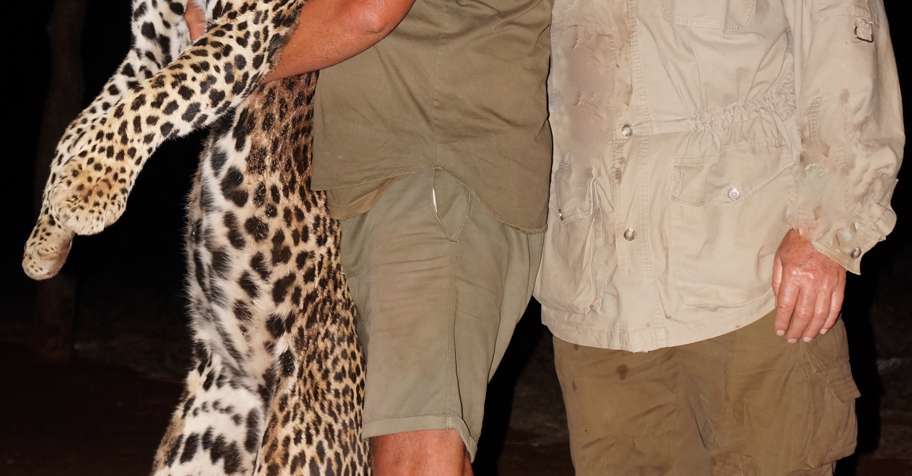
14 Day Leopard & Plains Game (1:1)
Tansania
Livingstone’s Suni, Afrikanische Wildkatze, Schwarzrücken-Schakal, Blue monkey, Bohor-Riedbock, Burchell Zebra, Buschschwein, Afrikanischer Büffel, Karakal, Zibetkatze, Kronenducker, Riedbock, Krokodil, Ente, Massai Buschbock, East African defassa waterbuck, Großkudu, Francolin, Ginsterkatze, Gans, Hase, Helmeted guineafowl, Flusspferd, Honigdachs, Hyrax, Leopard, Lichtenstein Antilope, Livingstone Elenantilope, Niassa wildebeest, Grüner Pavian, Stachelschwein, Rotducker, Pferdeantilope, Roosevelt sable, Zobel, Sharpe's grysbuck, Sitatunga, Südliche Impala, Tüpfelhyäne, Striped polecat, Topi, Südliche Grünmeerkatze, Warzenschwein, Wasserbock
Büchsenjagd, Pirschjagd
Season: 1. Juni 26 - 31. Dez. 26
Preis ab
$38,625
for 16 days, 1 Jäger
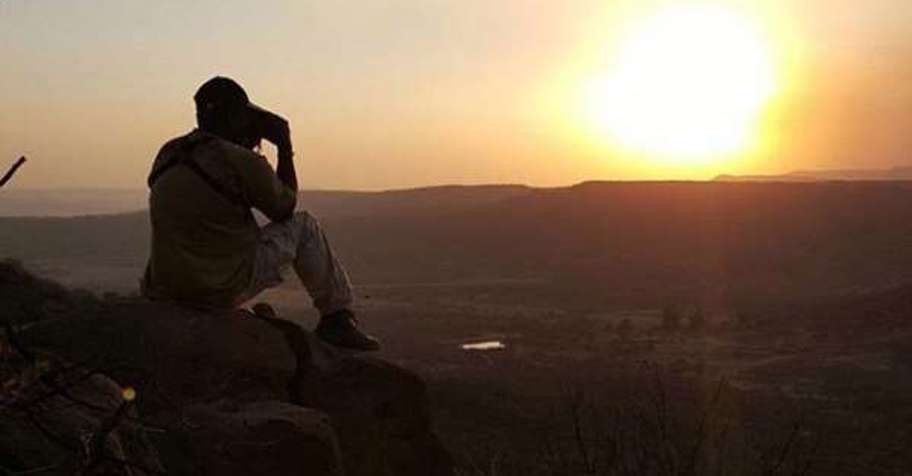
1:1 Classic Plains Game Safari
KwaZulu-Natal, Südafrika
Livingstone’s Suni, Pavian, Weißschwanzgnu, Schwarzrücken-Schakal, Blauducker, Streifengnu, Burchell Zebra, Buschschwein, Kap Schirrantilope, Kap Elenantilope, Karakal, Blessbock, Kronenducker, Riedbock, Springbock, Spießbock, Giraffe, Rehantilope, Impala, Kudu, Bergriedbock, Nyala Antilope, Bleichböckchen, Strauß, Stachelschwein, Rotducker, Südafrikanische Kuhantilope, Red lechwe, Serval, Steinböckchen, Südliche Grünmeerkatze, Warzenschwein, Wasserbock, Weißer Blessbock
Büchsenjagd, Pirschjagd
Season: 1. März 26 - 20. Dez. 26
Tagesrate
$1,400
for 5 days, 1 Jäger
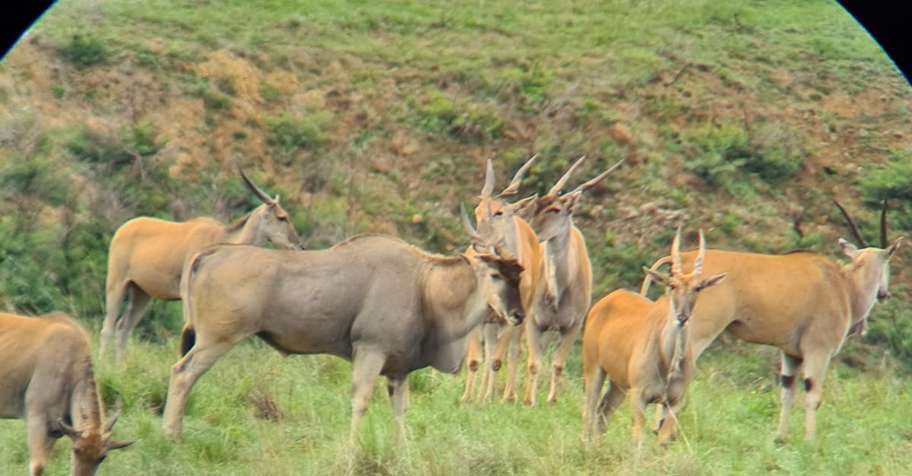
2:1 Classic Plains Game Safari
KwaZulu-Natal, Südafrika
Livingstone’s Suni, Pavian, Weißschwanzgnu, Schwarzrücken-Schakal, Blauducker, Streifengnu, Burchell Zebra, Buschschwein, Kap Schirrantilope, Kap Elenantilope, Karakal, Blessbock, Kronenducker, Riedbock, Springbock, Spießbock, Giraffe, Rehantilope, Impala, Kudu, Bergriedbock, Nyala Antilope, Bleichböckchen, Strauß, Stachelschwein, Rotducker, Südafrikanische Kuhantilope, Red lechwe, Serval, Steinböckchen, Südliche Grünmeerkatze, Warzenschwein, Wasserbock, Weißer Blessbock
Büchsenjagd, Pirschjagd
Season: 1. März 26 - 20. Dez. 26
Tagesrate
$1,100
for 5 days, 1 Jäger
Moschusböckchen
Interessiert an diesem Tier?
Newsletter anmelden, um Angebote direkt in Ihren Posteingang zu bekommen
Es könnte Sie auch interessieren
Explore hunting
trips worldwide
trips worldwide
Direct offers from outfitters
with no booking fees
with no booking fees
Verified reviews
from other hunters
from other hunters