
22
hunting trips
$5,300
ab
3
Jagdanbieter
Where to hunt East African Greater Kudu
There are two kinds of Kudu that go by the name of “Eastern”. One is the East African Greater Kudu, the officially recognized subspecies that occupies the savannah of Eastern Africa. Within its natural range hunting opportunities exist in Tanzania. The other is Eastern Cape Kudu; this kind of the animal is recognized by trophy books, but not singled out by biologists; it is found in the South African province of the same name.
Preisverteilung
The East African Greater Kudu hunting in Tanzania is one of the most coveted, but also most expensive hunting experiences; a 10-day hunt starts at about $30,000, before trophy fees. Typically, a trophy fee for a Greater Kudu in Tanzania is about $4,000.
$2,800
$47,100
$91,400
$135,700
$180,000
Erfahren Sie mehr darüber in unserem Blog
If you’re not sure what all those “package deals”, “trophy fees” and “daily rates” in the hunt descriptions stand for, and how much to budget for travel, tips, taxidermy, and whatnot, check out this blog story. It covers all items of a safari budget, and average spending figures that will help you make a rough estimate of your African adventure.
17. Aug. 2017
Was ist der Endpreis für eine durchschnittliche südafrikanische Jagd?
When to hunt East African Greater Kudu?
The rut is not an option for hunting East African Kudu in Tanzania, as the hunting season opens July 1 and closes December 31. The best time for Kudu hunting in East Africa is the dry season, when the animals congregate around waterholes.
Jan.
Feb.
März
April
Mai
Juni
Jul.
August
Sept.
Okt.
Nov.
Dez.
Jagdart
The first choice for Kudu hunting is spot-and-stalk. The typical African way is to scout the area from vehicles, stopping to glass the area, and once the animal is located, to approach it on foot. In the case of Kudu, this is easier said than done, because the animal prefers broken terrain, which isn’t easily accessible on wheels. At that, the protective coloring of the Kudu makes it hard to see, and acute senses and natural wariness allow it to escape predators, of both two-legged and four-legged variety. Hunting from a blind over salt licks and water holes is also possible, and many hunters, especially bowhunters, find the opportunity to observe the African nature from concealment an exciting bonus to the hunt itself.
Why hunt East African Greater Kudu?
Kudu has earned the nickname “Grey Ghost” for the seemingly supernatural ability to disappear in the bush, surprising for an animal of such size (the second biggest African antelope after eland), and equipped with such impressive spiral horns. The natives of Africa and the visitors are equally awed by these horns, which are used as vessels, musical instruments, and for ceremonial purposes by the former, and have great ability to impress the grandeur of the African wildlife on the latter. Hunting Kudu is quite a challenge, as evidenced by many classic safari books, and Greater Kudu hunting connects you to a very old tradition.
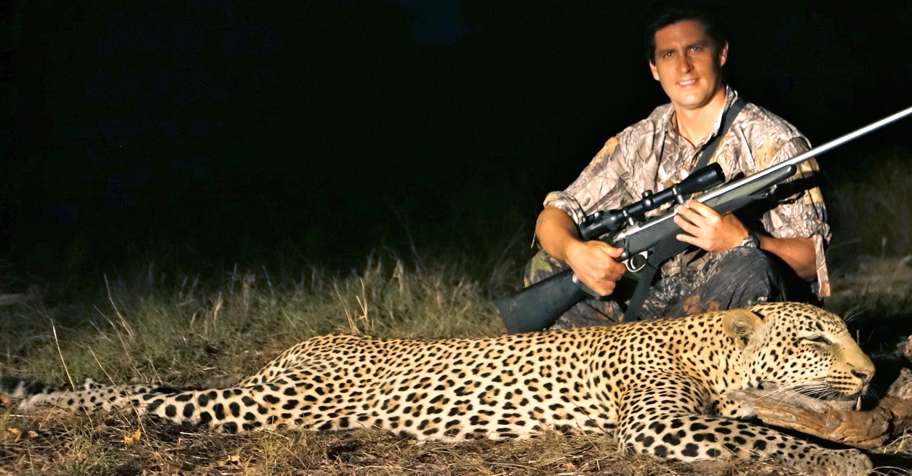

14 Day Leopard, Buffalo & P/G (1:1)
Tansania
Großkudu, Afrikanische Wildkatze, Schwarzrücken-Schakal, Blue monkey, Bohor-Riedbock, Burchell Zebra, Buschschwein, Afrikanischer Büffel, Karakal, Zibetkatze, Kronenducker, Riedbock, Krokodil, Ente, Massai Buschbock, East African defassa waterbuck, Francolin, Ginsterkatze, Gans, Hase, Helmeted guineafowl, Flusspferd, Honigdachs, Hyrax, Leopard, Lichtenstein Antilope, Livingstone Elenantilope, Livingstone’s Suni, Niassa wildebeest, Grüner Pavian, Stachelschwein, Rotducker, Pferdeantilope, Roosevelt sable, Zobel, Sharpe's grysbuck, Sitatunga, Südliche Impala, Tüpfelhyäne, Striped polecat, Topi, Südliche Grünmeerkatze, Warzenschwein, Wasserbock
Büchsenjagd, Pirschjagd
Season: 1. Juni 26 - 31. Dez. 26
Preis ab
$46,450
for 16 days, 1 Jäger
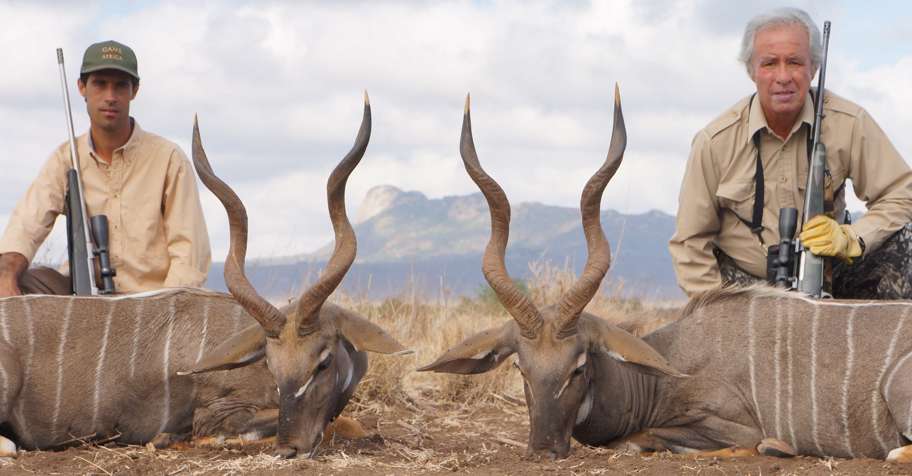
10 Day - 2:1 Masai Plains Game Safari
Tansania
Großkudu, Afrikanische Wildkatze, Schwarzrücken-Schakal, Böhm-Zebra, Buschschwein, Karakal, Chandler's mountain reedbuck, Zibetkatze, Coke Kuhantilopen, Kronenducker, Ente, Massai Buschbock, East African Eland, Ostafrikanische Impala, Francolin, Fringe-eared oryx, Ginsterkatze, Gerenuk, Gans, Grant's gazelle, Helmeted guineafowl, Honigdachs, Kirk's Dik-dik, Klippspringer, Lesser / Kleiner Kudu, Livingstone’s Suni, Grüner Pavian, Strauß, Stachelschwein, Rotducker, Robert's gazelle, Side-striped jackal, Tüpfelhyäne, Steinböckchen, Striped hyena, Striped polecat, Thomson-Gazelle, Warzenschwein, Weißbartgnu
Büchsenjagd, Pirschjagd
Season: 1. Mai 26 - 31. Dez. 26
Tagesrate
$39,000
for 12 days, 1 Jäger
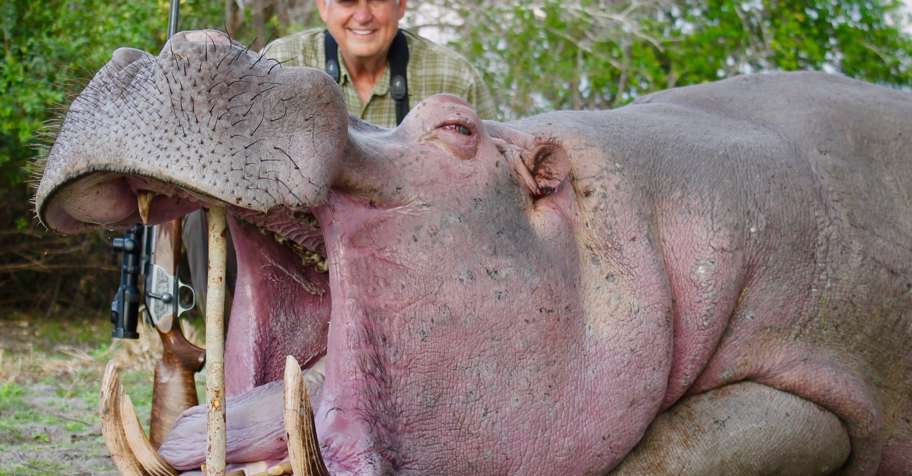
21 Day Full Bag Safari (1x1)
Tansania
Großkudu, Afrikanische Wildkatze, Schwarzrücken-Schakal, Bohor-Riedbock, Burchell Zebra, Buschschwein, Afrikanischer Büffel, Karakal, Zibetkatze, Kronenducker, Krokodil, Ente, Massai Buschbock, Elefant, Francolin, Ginsterkatze, Gans, Hase, Helmeted guineafowl, Flusspferd, Honigdachs, Hyrax, Leopard, Lichtenstein Antilope, Löwe, Livingstone Elenantilope, Livingstone’s Suni, Niassa wildebeest, Grüner Pavian, Stachelschwein, Rotducker, Roosevelt sable, Sharpe's grysbuck, Südliche Impala, Tüpfelhyäne, Striped polecat, Südliche Grünmeerkatze, Warzenschwein, Wasserbock
Büchsenjagd, Pirschjagd
Season: 1. Juni 26 - 31. Dez. 26
Preis ab
$99,875
for 23 days, 1 Jäger
Großkudu
Interessiert an diesem Tier?
Newsletter anmelden, um Angebote direkt in Ihren Posteingang zu bekommen
Es könnte Sie auch interessieren
Explore hunting
trips worldwide
trips worldwide
Direct offers from outfitters
with no booking fees
with no booking fees
Verified reviews
from other hunters
from other hunters